Ask a coach where progress happens and most will say the same thing, usually with a slight sigh: not in the session. The session is where the client gets clear. The progress happens on a Tuesday, in a meeting that goes sideways, or on a Thursday evening when the plan from last week suddenly looks unrealistic.
A weekly hour leaves 167 hours in which the client is on their own. Coaches know this, and most have built some kind of patchwork to cover it: a shared document, a WhatsApp thread, a workbook, voice notes. Each one helps a little. None of them were designed for the job.
What goes wrong in the gap
When we talk with coaches about the time between sessions, three problems come up again and again. They are small individually and expensive together.
- The question that waits. A client hits a real situation on Tuesday, has a question, and decides it is not worth a message. By the next session the moment has passed.
- The catch-up tax. The first ten or fifteen minutes of a session go to reconstructing what happened since last time, from memory, on both sides.
- The quiet drift. Nothing dramatic happens. The client simply does less of the agreed work, and nobody notices until the pattern is a month old.
Notice that none of these is solved by more of the coach's time. A coach who answers every message at 10pm burns out, and a client who knows they are interrupting someone asks fewer questions, which is the opposite of what you want.
The Friday afternoon test
Here is a simple way to judge any tool for between-session support. Imagine your client on a Friday afternoon, two days after a session, with a specific question about something you taught them. What happens next?
If the honest answer is that they search their notes, fail to find it and give up, the tool has failed. If the answer is that they ask a generic chatbot and get confident, generic advice that contradicts your approach, it has failed in a worse way. The useful answer is that they get a response grounded in your method, and if the question needs you, they know how to reach you.
Where AI helps, and where it should stay out
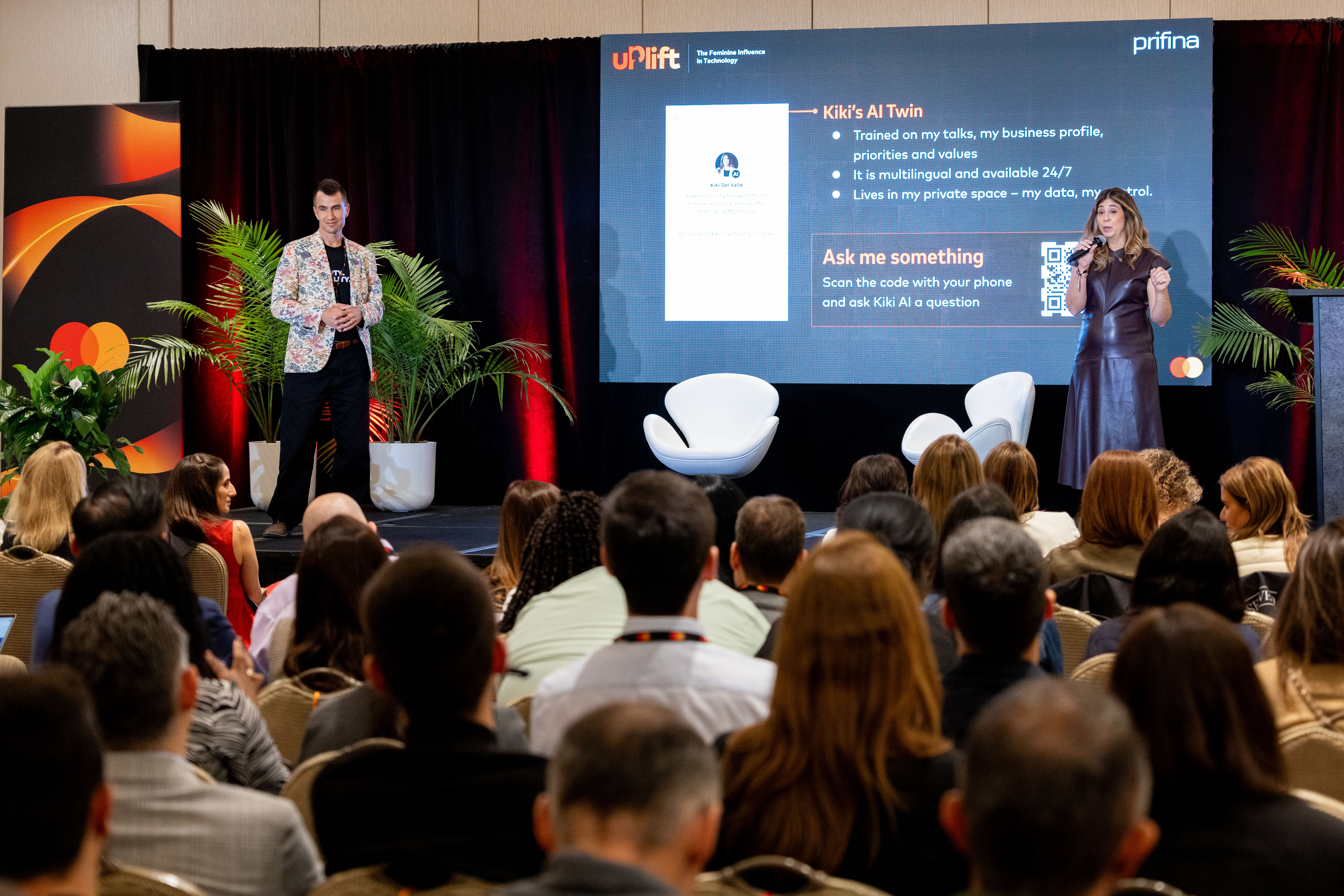
This is the part of the job AI is genuinely good at: answering from a known body of material at any hour, patiently, as many times as needed. An AI Twin built from the frameworks, worksheets and recordings a coach already uses can explain the exercise again, remind a client which question to ask, or help them prepare for the conversation they are dreading.
It is a poor substitute for judgment. Whether a client should take the job, end the relationship or push back on their manager is a coaching conversation, and a well designed experience recognises those questions and routes them back to the person. Being clear about that boundary is what makes clients trust the rest.
The goal is not to coach more hours. It is to make the hour you already have start from where the client actually is.
Continuity belongs to the client
The other half of good between-session support is memory. A client who writes down what happened in their interview, or how the difficult conversation went, has created exactly the context their coach needs. The question is who controls it.
Our view is that it should be the client. Their notes, goals and updates stay theirs, and they choose what to share with the coach before the next session. That sounds like a privacy detail. In practice it changes behaviour: people write more honestly when they know a note is private until they decide otherwise.
Starting small
The coaches who get the most out of this begin with one program and a handful of clients, using material they already have. A first version can be running within two weeks. The interesting learning comes after that, from watching which questions clients actually ask on a Friday afternoon, and adjusting.